The future of AI in retail is unfolding at an unprecedented pace, with artificial intelligence revolutionizing how businesses operate and customers shop. As we approach 2030, emerging AI retail trends are set to transform the industry landscape completely. The global artificial intelligence (AI) in retail market size is projected to grow from $9.36 billion in 2024 to $85.07 billion by 2032, at a CAGR of 31.8%, demonstrating the massive potential of AI-powered innovations in retail.
In physical stores, the top three use cases are inventory management, analytics and insights, and adaptive advertising. For digital retail, they're marketing and advertising content creation, and hyperpersonalized recommendations. This comprehensive guide explores 15 game-changing AI use cases that will define the retail industry by 2030.
What is AI in Retail? Understanding the Foundation
AI in retail encompasses various technologies including machine learning, natural language processing, computer vision, and predictive analytics. The future of AI in retail lies in leveraging these smart technologies to analyze customer behavior, optimize operations, and deliver personalized shopping experiences across all touchpoints.
The benefits of AI in retail industry extend far beyond basic automation. Retailers are experiencing enhanced customer satisfaction, reduced operational costs, improved inventory management, and increased revenue through AI-powered personalization and predictive capabilities.
Market Growth and Adoption Statistics
2025 is the year of the AI agent. Right now, digitally influenced sales exceed 60%. That percentage will only grow as AI agents personalize recommendations, streamline decision-making and handle auto replenishment tasks.
Key market insights reveal:
68% of retailers envision applying AI-based technologies by 2025
44% of retailers use AI for predictive analytics, and 41% use it for customer analysis and segmentation
AI shopping assistants are evolving beyond basic chatbots to become comprehensive virtual agents
15 Revolutionary AI Use Cases Transforming Retail by 2030
1. AI-Powered Personalization Engines
AI-powered personalization in retail creates unique shopping experiences for each customer. Advanced algorithms analyze browsing history, purchase patterns, demographics, and real-time behavior to deliver tailored product recommendations, customized pricing, and personalized marketing messages.
Implementation: Netflix-style recommendation engines, dynamic content personalization, and individualized email campaigns.
2. Intelligent Virtual Shopping Assistants
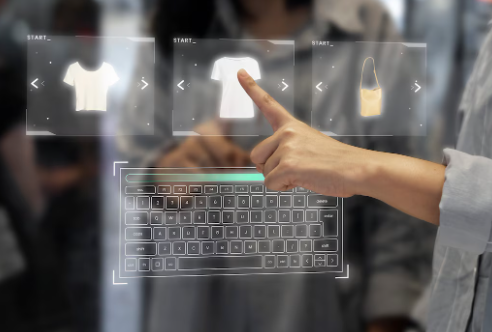
AI shopping assistants (sometimes called virtual agents or just agents) help users discover, compare, and purchase products more efficiently. These sophisticated systems understand natural language, answer product questions, and guide customers through complex purchase decisions.
Benefits: 24/7 customer support, reduced bounce rates, improved conversion rates, and enhanced customer satisfaction.
3. Predictive Analytics for Demand Forecasting
Predictive analytics in retail leverages historical data, seasonal trends, and external factors to forecast demand accurately. This AI application helps retailers optimize inventory levels, reduce waste, and ensure product availability.
Real-world Impact: Target, Nike, and Zara are using retail AI to reduce overstock and avoid empty shelves, demonstrating practical cost-cutting benefits.
4. Dynamic Pricing Optimization
AI-driven dynamic pricing algorithms analyze competitor prices, demand fluctuations, inventory levels, and customer willingness to pay in real-time. This enables retailers to maximize revenue while remaining competitive.
Applications: Surge pricing for high-demand items, clearance optimization, and personalized pricing strategies.
5. Computer Vision for Inventory Management
Smart retail technology utilizing computer vision automates inventory tracking, monitors stock levels, and identifies misplaced items. This reduces manual labor costs and improves accuracy.
Technologies: RFID integration, shelf-scanning robots, and automated reordering systems.
6. AI-Enhanced Supply Chain Optimization
AI for retail supply chain optimization streamlines logistics, reduces transportation costs, and minimizes delivery times. Machine learning algorithms optimize routes, predict disruptions, and automate supplier selection.
Benefits: Reduced operational costs, improved delivery reliability, and enhanced supplier relationships.
7. Conversational Commerce and Voice Shopping
Voice search optimization and conversational AI enable customers to shop using natural language commands. Integration with smart speakers and mobile assistants creates seamless omnichannel experiences.
Growth Potential: Voice commerce is expected to reach $40 billion by 2030, making this a critical investment area.
8. Fraud Detection and Security Enhancement
AI-powered fraud detection systems analyze transaction patterns, identify suspicious behavior, and prevent fraudulent activities in real-time. This protects both retailers and customers from financial losses.
Implementation: Anomaly detection algorithms, behavioral biometrics, and risk scoring models.
9. Augmented Reality (AR) Try-On Experiences
AI-driven AR technology allows customers to virtually try products before purchasing. This reduces return rates and increases customer confidence in online purchases.
Applications: Virtual makeup trials, furniture placement, and clothing fit visualization.
10. Automated Customer Service and Support
Customer service emerges as retail's top agent use case. Here, agents automatically respond to inquiries, track orders, and manage returns any time, day or night, allowing human representatives to focus on complex issues.
Features: Multi-language support, sentiment analysis, and escalation protocols.
11. Smart Store Layout and Merchandising
AI analyzes customer movement patterns, dwell times, and purchase correlations to optimize store layouts and product placements. Heat mapping technology reveals high-traffic areas and customer preferences.
Implementation: Digital shelf labels, smart mirrors, and interactive displays.
12. Predictive Maintenance for Retail Equipment
AI monitors equipment performance, predicts maintenance needs, and schedules repairs before failures occur. This minimizes downtime and reduces operational disruptions.
Applications: HVAC systems, point-of-sale terminals, and refrigeration units.
13. Social Media Sentiment Analysis and Trend Prediction
AI analyzes social media conversations, reviews, and mentions to gauge brand sentiment and identify emerging trends. This helps retailers adapt marketing strategies and product offerings.
Benefits: Early trend detection, reputation management, and competitive intelligence.
14. Autonomous Delivery and Last-Mile Logistics
AI-powered drones, robots, and autonomous vehicles revolutionize product delivery. These technologies reduce delivery costs and improve customer convenience.
Future Outlook: Widespread adoption expected in urban areas by 2028-2030.
15. AI-Driven Content Creation and Marketing
Generative AI creates product descriptions, marketing copy, social media content, and visual assets. This reduces content creation costs and enables personalized marketing at scale.
Applications: Dynamic ad generation, personalized email campaigns, and automated social media posting.
Leading AI in Retail Service Providers
Enterprise Solutions
Amazon AI in retail: Advanced recommendation engines and supply chain optimization
Walmart AI initiatives: Inventory management and customer analytics platforms
Target AI retail solutions: Personalization and demand forecasting systems
Google Cloud AI for retail: Computer vision and natural language processing
Microsoft AI in retail industry: Comprehensive business intelligence and automation
Mobile Platform Integration
iOS AI in Retail service providers: iOS AI in Retail service providers deliver native mobile shopping experiences designed to enhance personalization, streamline transactions, and improve customer engagement. These solutions ensure seamless integration with Apple’s ecosystem, offering secure and user-friendly retail applications.
Android AI in Retail service providers: Android AI in Retail service providers focus on cross-platform compatibility and integration, enabling retailers to reach a wider audience. By leveraging Android’s flexibility, these providers help create scalable, intelligent retail apps that optimize operations and elevate the shopping journey.
Whether partnering with iOS AI in Retail service providers or Android AI in Retail service providers, businesses can unlock smarter, more connected, and future-ready mobile retail solutions.
Regional Expertise
For businesses seeking AI in Retail service providers in Dallas, Texas, numerous specialized companies offer custom implementation services. When looking to hire AI in Retail providers in Dallas, Texas, consider expertise in your specific industry vertical and integration requirements.
Implementation Strategies for Retail AI Success
Getting Started with AI in Retail
Assess Current Infrastructure: Evaluate existing systems and data quality
Identify Priority Use Cases: Focus on high-impact, low-complexity implementations
Develop Data Strategy: Ensure clean, accessible data for AI training
Train Staff: Invest in employee education and change management
Measure and Optimize: Establish KPIs and continuous improvement processes
Common Implementation Challenges
Data integration complexity
Privacy and security concerns
Staff training requirements
Initial investment costs
Change management resistance
The Path Forward: AI Retail Innovations Beyond 2030
The emerging AI retail trends 2030 indicate continued evolution toward fully autonomous retail experiences. Future developments will likely include:
Fully automated stores with no human staff
Brain-computer interfaces for shopping
Quantum computing for complex optimization
Advanced robotics for warehouse operations
Blockchain integration for supply chain transparency
Frequently Asked Questions
What are the main benefits of AI in retail? AI improves customer experience through personalization, reduces operational costs, optimizes inventory management, and increases sales through predictive analytics and recommendation engines.
How much does AI implementation cost for retailers? Costs vary significantly based on complexity and scale. Small retailers might start with $10,000-50,000 for basic implementations, while enterprise solutions can require millions in investment.
Which retailers are leading in AI adoption? Amazon, Walmart, Target, and Alibaba are among the pioneers, with comprehensive AI strategies covering customer experience, supply chain, and operations.
Is AI in retail secure and privacy-compliant? When implemented properly with appropriate security measures and privacy controls, AI systems can enhance security while maintaining compliance with regulations like GDPR and CCPA.
Conclusion: Embracing the AI-Powered Retail Future
The future of AI in retail represents unprecedented opportunities for businesses willing to embrace innovation. Gen AI is quickly emerging as a non-negotiable capability, and these retailers are shaping the next era of customer expectations and operational efficiency.
Success in the AI-driven retail landscape requires strategic planning, proper implementation, and continuous adaptation. Retailers who invest in AI technologies today will be positioned to thrive in the competitive marketplace of 2030 and beyond.
Whether you're exploring AI in shopping solutions, seeking artificial intelligence in retail industry expertise, or planning comprehensive digital transformation, the time to act is now. The retailers who embrace these 15 game-changing use cases will define the future of commerce.
Ready to transform your retail business with AI? You can hire AI in Retail providers in Dallas, Texas, or consult with expert AI implementation specialists to discuss custom solutions tailored to your specific needs and market requirements. The future of retail is intelligent, personalized, and customer-centric – and it starts with your next strategic decision.
About the author
Hyena Information Technologies, founded in 1999, specializes in software development and consulting, focusing on mobile applications, AI, and IoT solutions for diverse clients.
Comments
Join the discussionNo comments yet. Be the first to comment.
