The retail landscape has undergone a dramatic transformation as artificial intelligence reshapes how consumers shop and businesses operate. Walmart, Amazon, and Target—three of America's largest retail powerhouses—are leveraging AI-powered customer experience technologies to increase revenue, streamline operations, and deliver personalized shopping journeys. This comprehensive analysis reveals real-world AI use cases in retail giants and demonstrates how AI increases retail sales revenue through predictive analytics, machine learning, and intelligent automation.
The AI in Retail Industry Revolution: A Data-Driven Transformation
Retail AI transformation isn't just about technology—it's about fundamentally reimagining the customer journey. According to industry research, retailers implementing artificial intelligence in retail sales see an average revenue increase of 15-25% within the first 18 months. These AI retail development services enable businesses to predict customer behavior, optimize inventory management, and create hyper-personalized experiences that drive conversion rates.
Machine learning in retail has evolved from simple recommendation engines to sophisticated systems that analyze millions of data points in real-time. The ai in retail industry now encompasses computer vision for checkout automation, natural language processing for customer service, and predictive analytics in retail that forecast demand with unprecedented accuracy.
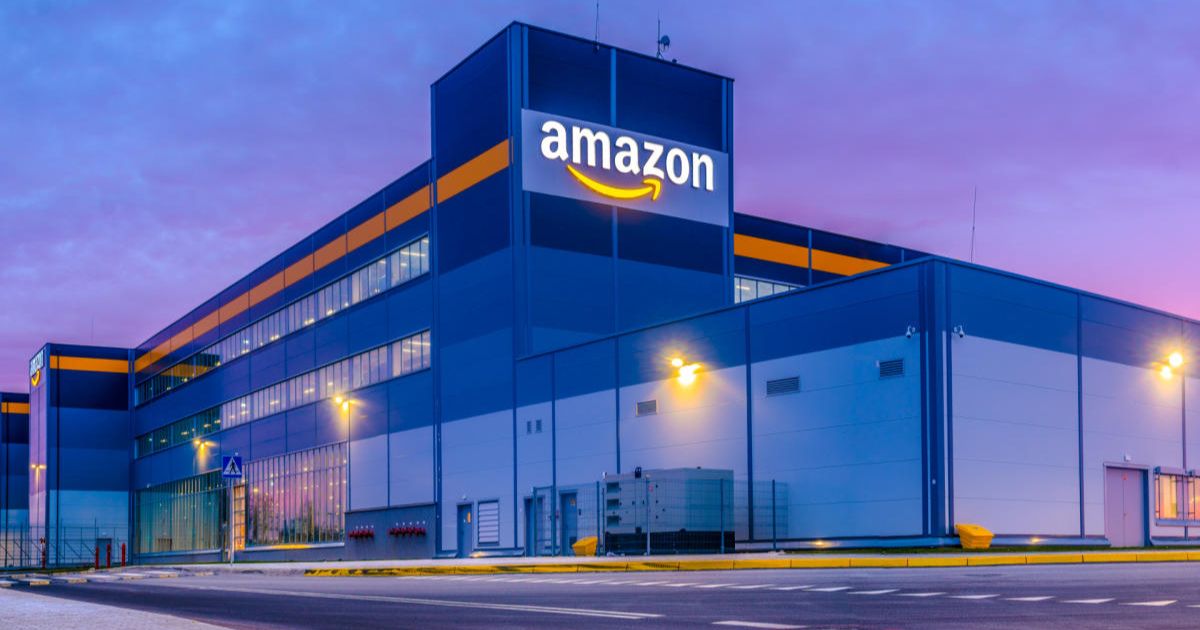
How Amazon Uses AI to Dominate E-Commerce
Amazon's AI strategy represents the gold standard for artificial intelligence in retail sales. The company's recommendation engine, powered by deep learning algorithms, generates an estimated 35% of total revenue by suggesting products based on browsing history, purchase patterns, and behavioral analytics.
The Amazon AI voice assistant Alexa retail integration has created an entirely new shopping channel. Consumers can reorder household essentials, discover products through voice queries, and receive personalized recommendations—all without touching a screen. This seamless AI-powered customer experience has made Amazon the default choice for millions of households, also sparking interest among businesses exploring Amazon Alexa app development cost to build similar smart retail solutions.
Amazon's fulfillment centers utilize computer vision and robotics to sort, pack, and ship over 1.6 million packages daily. Their predictive analytics system forecasts demand at the zip code level, positioning inventory closer to customers before they even place orders. This proactive approach reduces delivery times and operational costs while improving customer satisfaction.
Amazon Go stores showcase the future of brick-and-mortar retail through AI for retail innovation. Using computer vision, sensor fusion, and deep learning, these checkout-free stores automatically detect what customers take from shelves and charge their accounts upon exit. This frictionless experience eliminates wait times and demonstrates how augmented reality in retail and AI converge to redefine physical shopping.
Hire custom retail software developers in USA to build similar AI-driven experiences for your business. Contact expert teams specializing in retail software development services in Dallas, Texas for consultation.
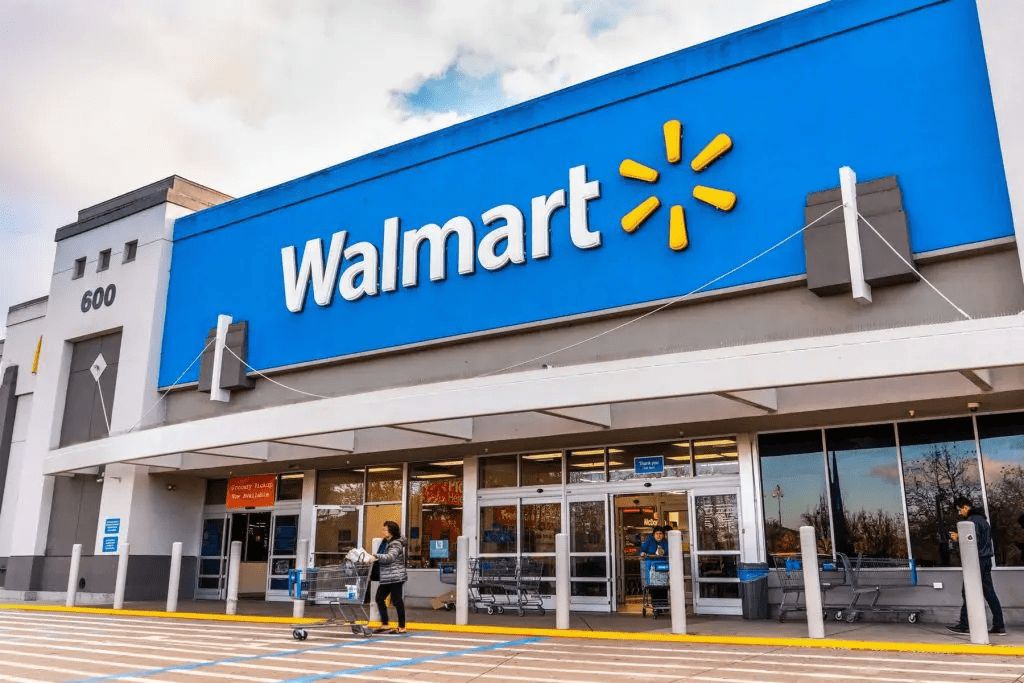
Walmart's AI-Powered Supply Chain and Customer Service Excellence
Walmart employs AI across its massive supply chain network to optimize inventory management and reduce waste. Their machine learning models analyze historical sales data, weather patterns, local events, and social media trends to predict demand with 95% accuracy. This retail business intelligence approach ensures popular items remain in stock while minimizing excess inventory costs.
The Walmart AI checkout system combines computer vision with weight sensors to enable scan-and-go shopping. Customers use mobile apps to scan items while shopping, then complete payment without traditional checkout lines. This innovation not only addresses one of retail's biggest pain points—long wait times—while collecting valuable behavioral data, but also raises curiosity among businesses evaluating Walmart app development cost to implement similar AI-driven retail solutions.
Walmart's AI chatbot handles millions of customer inquiries monthly, resolving common questions about product availability, store hours, and order status. Natural language processing enables the system to understand context and intent, providing human-like responses that improve customer satisfaction while reducing support costs.
For in-store operations, Walmart deployed AI-powered robots that scan shelves to identify out-of-stock items, incorrect pricing, and misplaced products. These autonomous systems work overnight, generating reports that help associates restock efficiently before store opening. This blend of AI and human expertise exemplifies effective retail AI transformation.
Target's Personalization Strategy and Omnichannel AI Integration
Target's AI personalization in retail focuses on creating individualized experiences across digital and physical channels. Their recommendation engine analyzes purchase history, browsing behavior, and demographic data to curate personalized homepages, email campaigns, and mobile app experiences for each customer.
The retailer's predictive analytics system identifies life events—such as pregnancies, home moves, or back-to-school periods—by analyzing purchasing patterns. This insight allows Target to deliver timely, relevant promotions that feel helpful rather than intrusive, significantly boosting conversion rates.
Target's mobile app integrates augmented reality in retail, allowing customers to visualize furniture and home decor in their actual spaces before purchasing. This AR feature reduces return rates while increasing buyer confidence, demonstrating how immersive technology enhances AI-powered customer experience.
For inventory optimization, Target uses machine learning models that consider local preferences, seasonal trends, and real-time sales velocity. Their distributed order management system, powered by AI, determines the most efficient fulfillment location—whether from a distribution center, store backroom, or direct vendor—reducing shipping costs by 20%.
Request a custom iOS app quote or book a free consultation to explore iOS AI retail development services and android AI retail development service solutions tailored to your business needs.
Key AI Technologies Transforming Retail Operations
Predictive Analytics and Demand Forecasting
Predictive analytics in retail processes vast datasets to forecast consumer demand, optimize pricing strategies, and prevent stockouts. Walmart, Amazon, and Target all use sophisticated algorithms that factor in hundreds of variables—from weather forecasts to social media sentiment—to predict what customers will buy before they know it themselves.
Computer Vision for Checkout Automation
AI-powered cameras and sensors enable checkout-free shopping experiences, reducing friction and labor costs. These systems track product movement, customer behavior, and store traffic patterns, providing actionable retail business intelligence.
Natural Language Processing for Customer Engagement
Chatbots and voice assistants powered by NLP understand customer intent, answer complex queries, and provide personalized recommendations. This technology scales customer service while maintaining quality interactions.
Machine Learning for Personalization
Recommendation engines analyze browsing patterns, purchase history, and demographic data to suggest relevant products. These systems learn continuously, improving accuracy and driving incremental revenue through upselling and cross-selling.
Augmented Reality for Enhanced Shopping
AR technology allows customers to visualize products in their environment, try on clothing virtually, and access interactive product information. This immersive experience bridges online and offline retail, reducing returns and increasing satisfaction.
Real-World Business Impact: How AI Increases Retail Sales Revenue
The financial impact of AI implementation is substantial and measurable. Amazon attributes 35% of revenue to AI recommendations. Walmart reduced inventory costs by 15% through predictive analytics. Target increased conversion rates by 20% with personalized marketing campaigns.
These AI in retail industry case studies demonstrate that successful implementation requires strategic planning, quality data infrastructure, and continuous optimization. Retailers must balance automation with human touch, ensuring technology enhances rather than replaces meaningful customer relationships.
Implementing AI in Your Retail Business
Small and medium-sized retailers can adopt similar strategies by partnering with specialized AI retail development service providers. Start with high-impact areas like personalized recommendations, inventory optimization, or chatbot customer service.
Hire app developers experienced in retail software development to build custom solutions aligned with your business goals. Whether you need enterprise app solutions or mobile-first customer experiences, experienced teams can deliver scalable AI implementations.
Frequently Asked Questions
How do retail giants use AI to improve customer experience?
Retail leaders like Walmart, Amazon, and Target deploy AI for personalized recommendations, voice-activated shopping, checkout automation, and predictive customer service. These technologies reduce friction, anticipate needs, and create seamless omnichannel experiences.
What is the ROI of AI in retail?
Retailers typically see 15-25% revenue increases within 18 months of AI implementation. Benefits include higher conversion rates, reduced operational costs, improved inventory turnover, and increased customer lifetime value.
Can small retailers afford AI technology?
Yes. Cloud-based AI platforms and specialized retail software development services offer scalable solutions for businesses of all sizes. Starting with focused use cases—like email personalization or chatbots—provides measurable ROI without massive upfront investment.
What are the biggest challenges in implementing retail AI?
Data quality, system integration, staff training, and maintaining customer privacy represent primary challenges. Successful implementations require clear strategy, executive buy-in, and partnerships with experienced technology providers.
How does AI improve inventory management?
Machine learning algorithms analyze historical sales, seasonal trends, local events, and external factors to forecast demand accurately. This reduces stockouts, minimizes overstock situations, and optimizes warehouse space utilization.
Conclusion: The Future of AI-Powered Retail
The competitive advantage gained through artificial intelligence in retail sales is no longer optional—it's essential for survival. Walmart, Amazon, and Target demonstrate that strategic AI implementation drives measurable business outcomes: increased revenue, reduced costs, and enhanced customer loyalty.
As AI technology continues advancing, retailers must evolve their capabilities to meet rising consumer expectations. The integration of AI personalization in retail, augmented reality experiences, and predictive analytics will separate market leaders from those left behind.
Whether you operate a single storefront or a national chain, now is the time to embrace retail AI transformation. Hire custom retail software developers in USA who understand your industry challenges and can build solutions that deliver real business value.
Contact our expert development team today to explore how AI-powered mobile apps and enterprise app solutions can transform your retail operations and boost sales revenue.
About the author
Hyena Information Technologies, founded in 1999, specializes in software development and consulting, focusing on mobile applications, AI, and IoT solutions for diverse clients.
Comments
Join the discussionNo comments yet. Be the first to comment.
